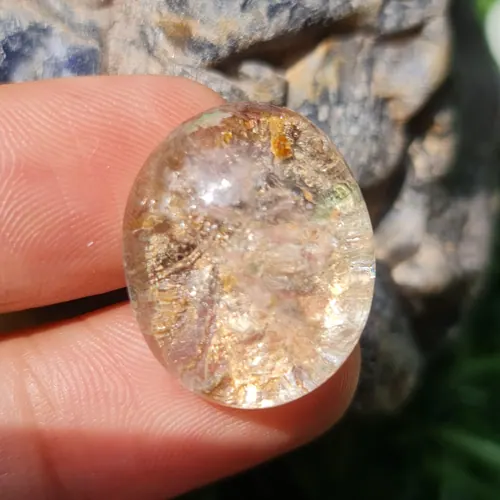
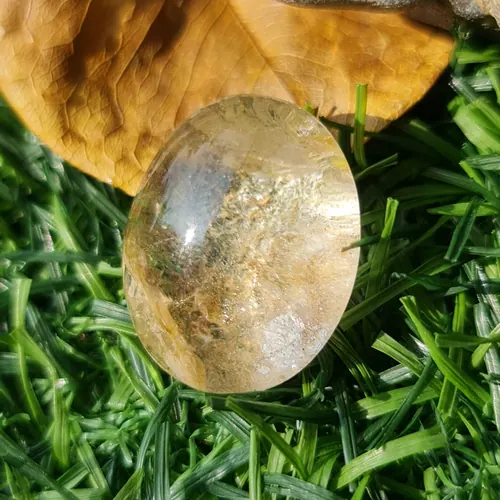
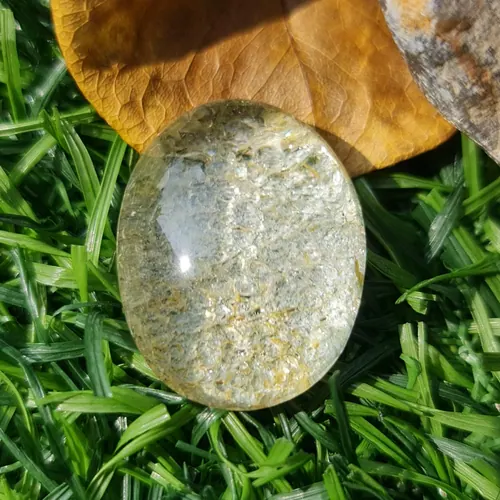
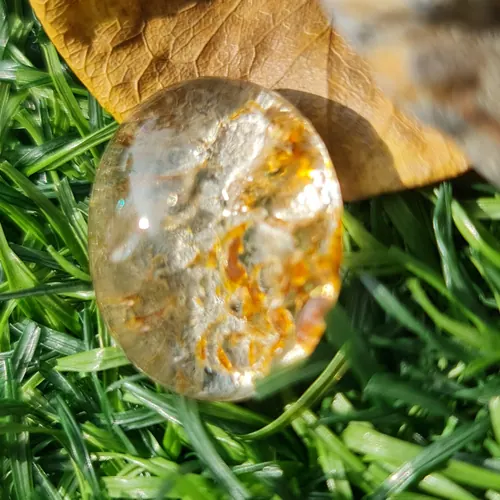
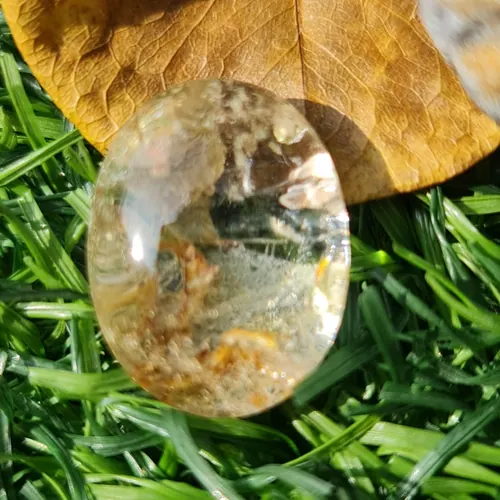
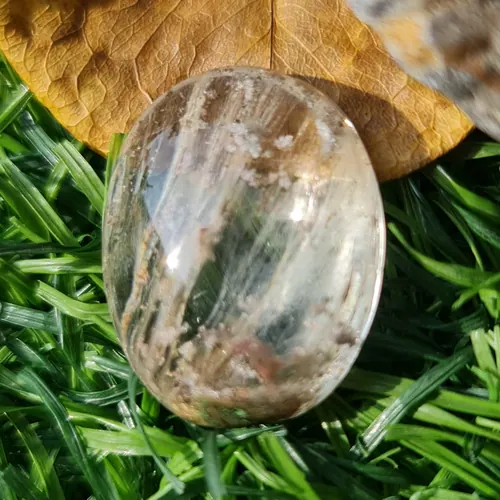
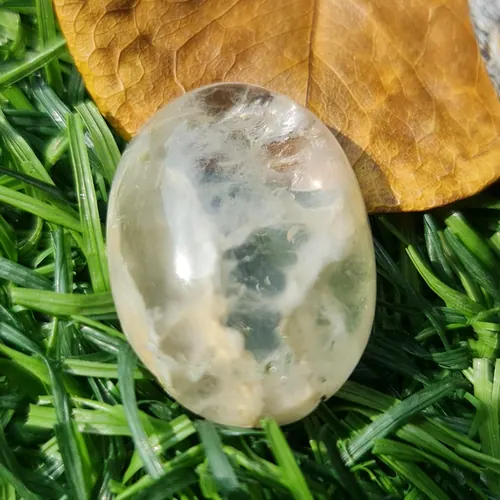
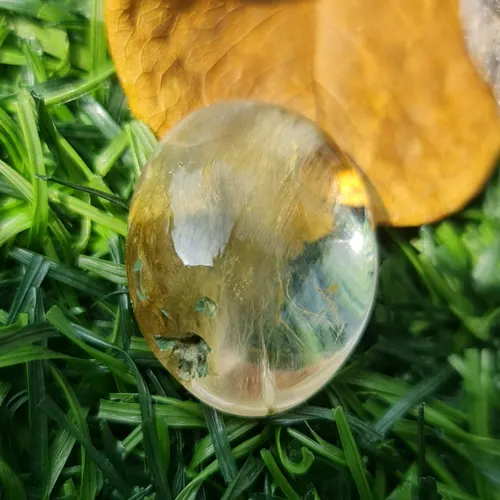
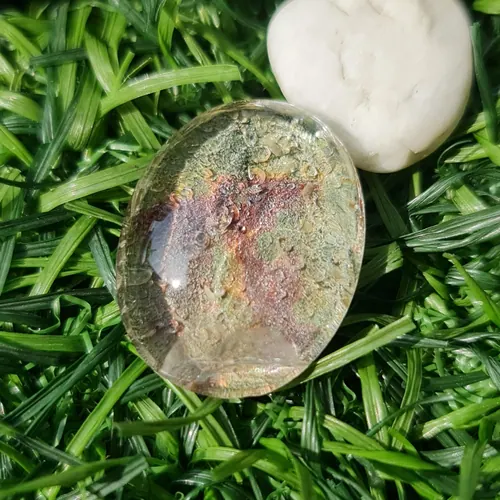
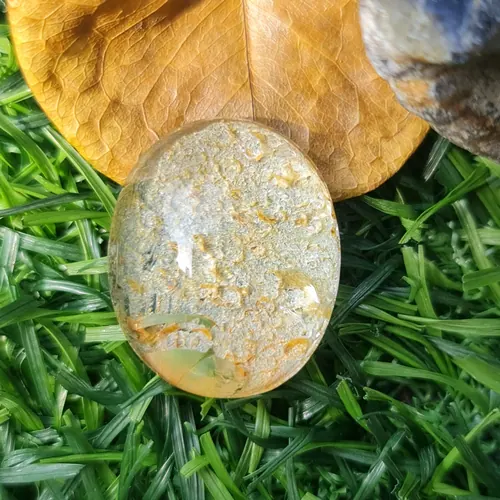
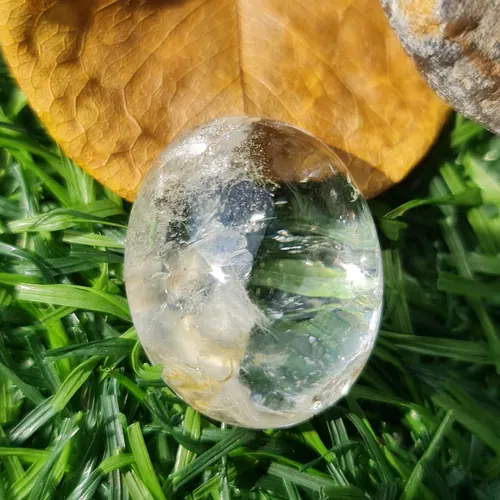
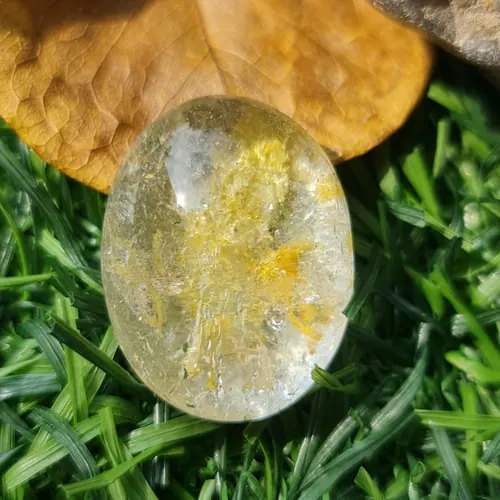
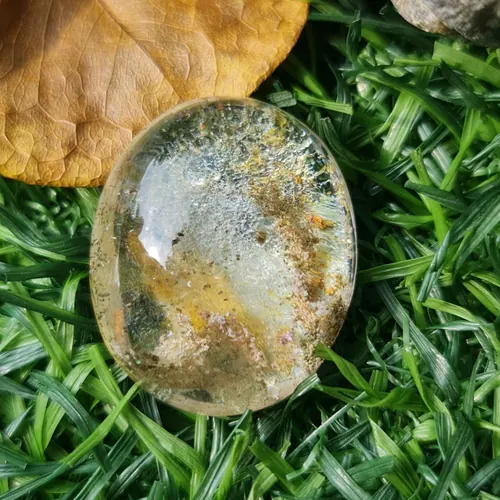
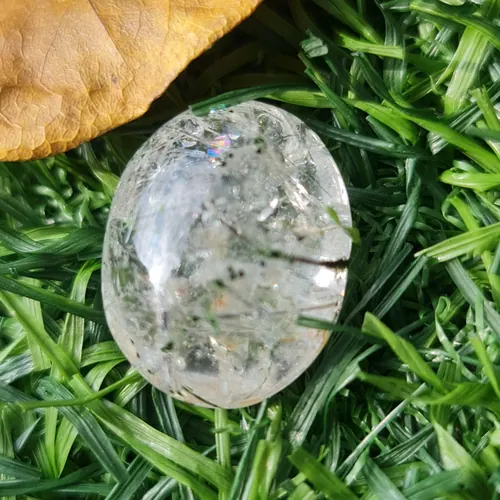
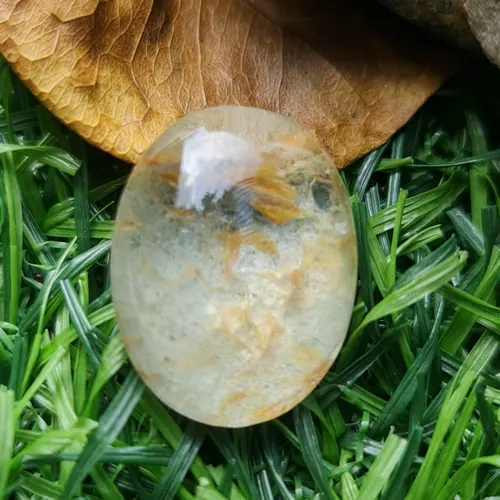
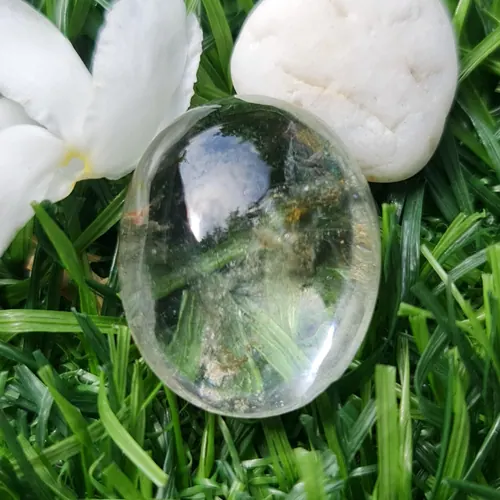
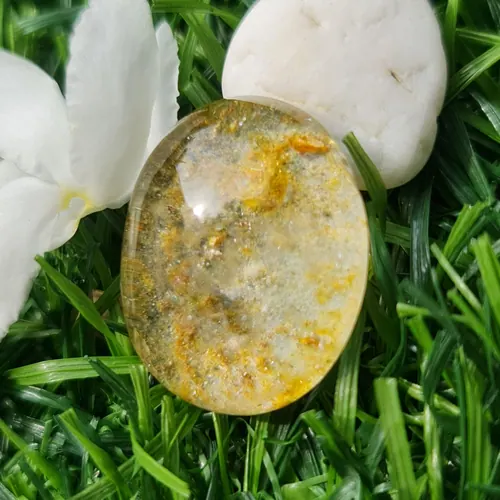
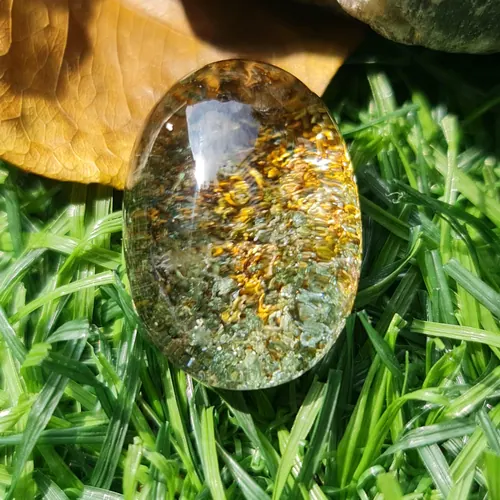
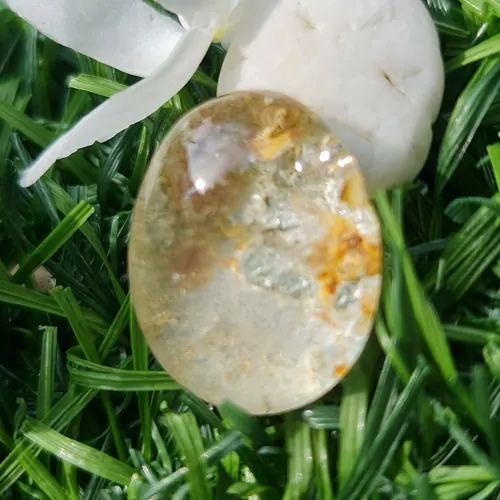
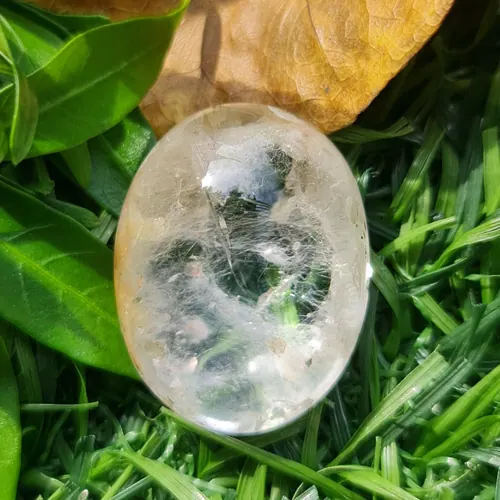
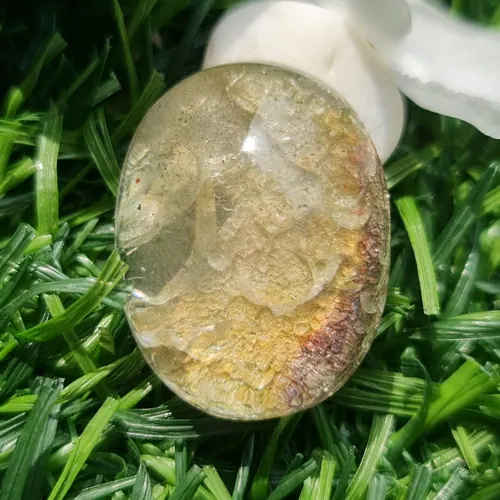
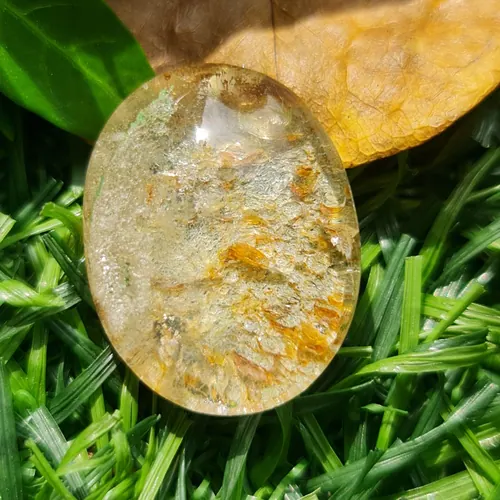
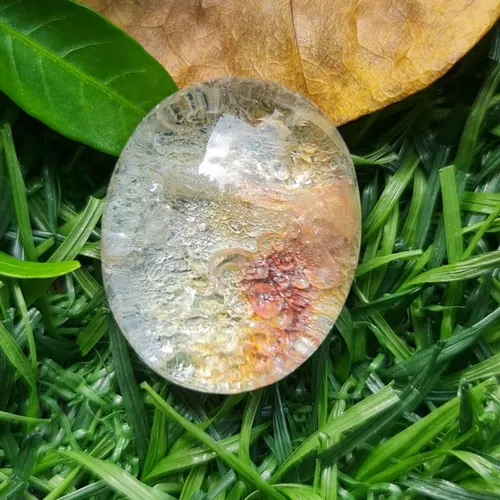
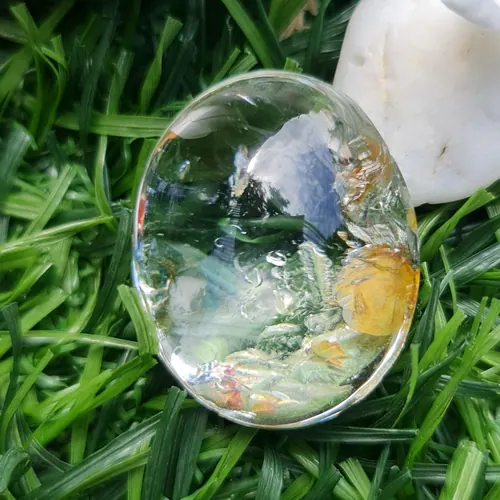
Internal Silk-Like Patterns Within Crystals Certain quartz crystals feature needle-like mineral inclusions running through transparent material. When these needle-like inclusions consist of rutile, the gemstone is referred to as Rutilated Quartz. Rutile needles can be slender and elongated, scattered in clusters, crisscrossed, or aggregated into star-like patterns, resulting in unique designs for every individual piece.
Thai Terms Describing Colors and Visual Features In the Thai trade, terms such as "Gold Silk" (Mai Thong), "Silver Silk" (Mai Ngen), and "Copper Silk" (Mai Nak) are commercial names describing the visible colors of the inclusion strands. Meanwhile, "Imperial Silk" (Mai Cakkraphat) is used differently depending on the seller. These trade names do not indicate that the gemstone contains actual gold, silver, or copper alloy, nor do they represent standardized mineral species or official grading tiers.
Golden, silver, copper-red, or reddish-brown strands inside quartz may indeed be rutile; however, visual inspection with the naked eye alone cannot definitively identify the inclusion species. Quartz can also host other needle-like minerals, such as tourmaline, actinolite, or hematite. Microscopic examination, Raman spectroscopy, and chemical analysis assist in providing precise identification of these internal mineral strands.
Golden, silver, copper, and dark-toned rutile needles create unique internal patterns within quartz, giving each gemstone its own distinct, non-reproducible character.
Read the gemstone guide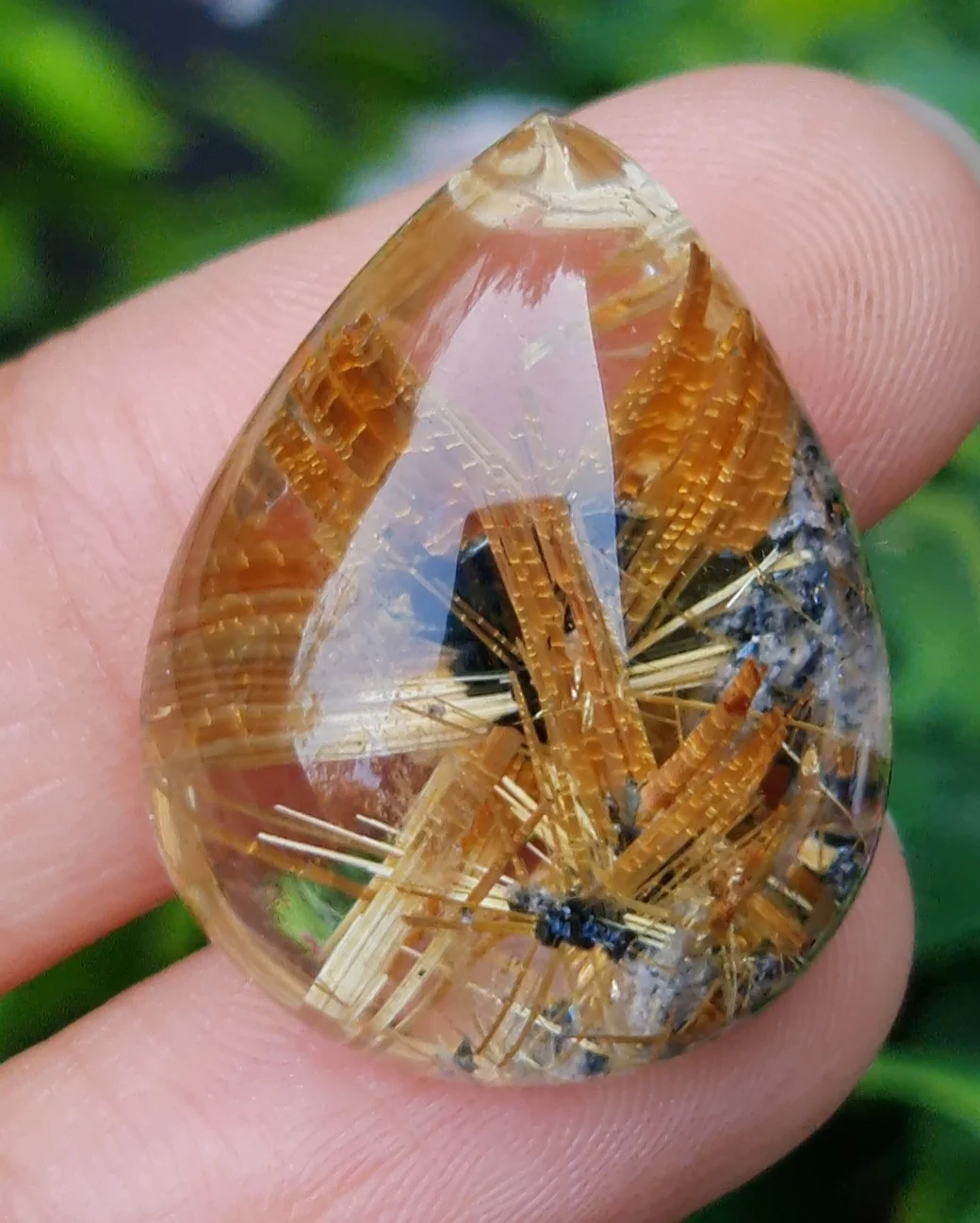
This list stays in your own browser. We only see it if you send it.